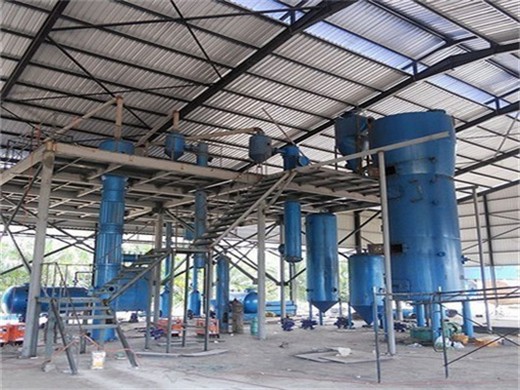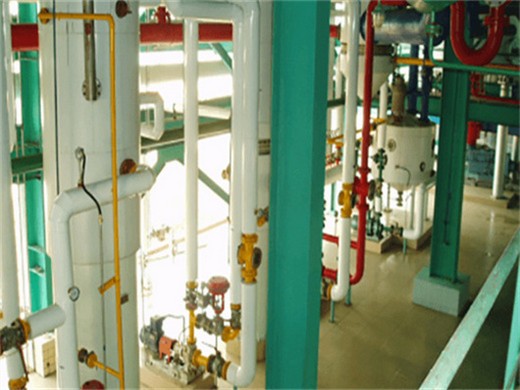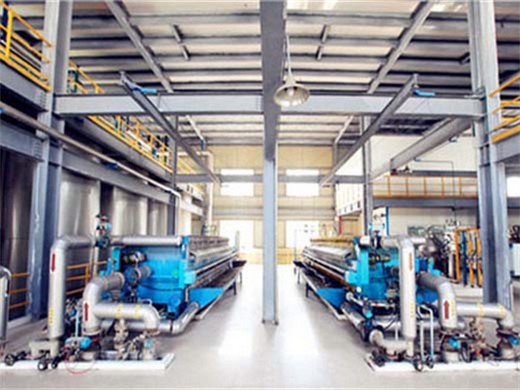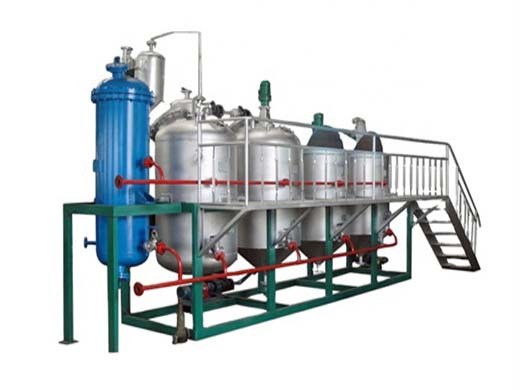
3. PALM OIL PROCESSING
- Usage:
- edible oil
- Type:
- Cold & Hot Pressing Machine
- Automatic Grade:
- Automatic
- Production Capacity:
- 98%-100%
- Voltage:
- 380V/50HZ
- Power(W):
- 22kw
- Dimension(L*W*H):
- 48m*12M*15M(30TPD)
- Weight:
- 10tons
- Certification:
- CE ISO
- After-sales Service Provided:
- Engineers available to service machinery overseas
- Product name:
- vegetable oill Production plant
- Raw material:
- SS304, carbon steel
- Application:
- Palm, Palm,Palm...
- Function:
- making edible oil
- Character:
- the most professional manufactuer of palm oil machine
- Advantage:
- 36 years
- Warranty:
- 365 days
- Color:
- as you require
- After-sales Service:
- Service Machine Overseas
- Technology:
- 2016
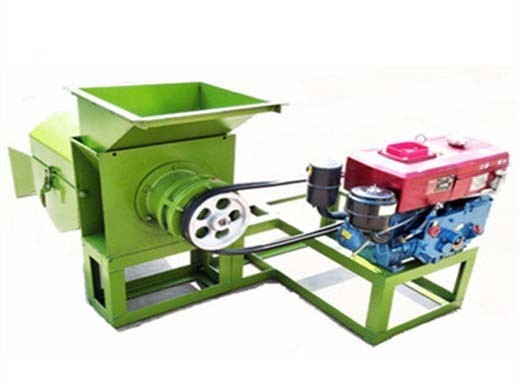
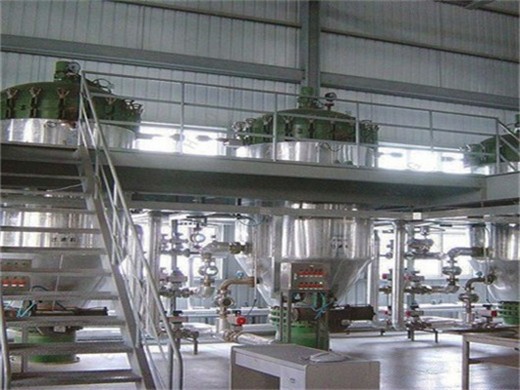
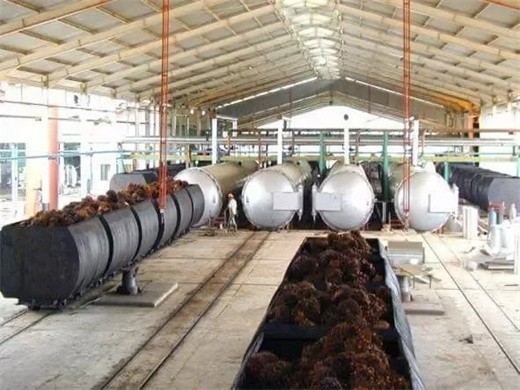
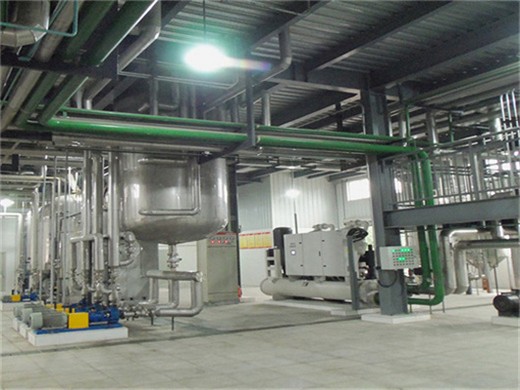
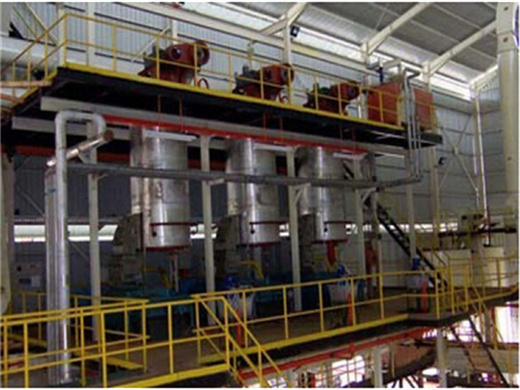
3. PALM OIL PROCESSING 3. 1 General processing description. Research and development work in many disciplines - biochemistry, chemical and mechanical engineering - and the establishment of plantations, which provided the opportunity for large-scale fully mechanised processing, resulted in the evolution of a sequence of processing steps designed to extract, from a harvested oil palm bunch, a
Fat and vegetable oil can also be used as raw material, e.g. as in a biodiesel plant. Research for greater sustainability To this end, renewable raw materials or microorganisms are used to obtain high-quality compounds through synthesis or fermentation.
Animal Fat- and Vegetable Oil-Based Platform Chemical
Global vegetable oil production has increased in the past decades. Of the total vegetable oil production in 2013 (163 million metric tons), palm oil has the main growth (representing 34.5%) followed by soybean oil (26.1%), rapeseed oil (15.3%), and Palm Oil (8.5%).
Vegetable Oil Biorefineries - ScienceDirect
The vegetable oil biorefinery will play an important role in that challenge. Targets such as the level of sustainable carbon of 14% by 2025 are within reach. To reach those targets, we believe that the whole-plant vegetable oil biorefinery should be applied at a territorial level involving multiple and local crops.
waste oil refineries: Topics by Science.gov
The plant is located adjacent to Valero’s St Charles, Louisiana Refinery and converts recycled animal fats, used cooking oil, and waste corn oil into renewable diesel. This is the largest renewable diesel plant in the U.S. and has successfully operated for over 2 years For this project, 25 liters of hydropyrolysis oil from wood and 25 liters
Value-added uses for crude glycerol--a byproduct of biodiesel
This indicates a 30-million-gallon-per-year plant will generate about 11,500 tonnes of 99.9 percent pure glycerin. It was projected that the world biodiesel market would reach 37 billion gallons by 2025, which implied that approximately 4 billion gallons of crude glycerol would be produced [ 2 ].
Crude glycerine recovery from glycerol residue waste from a
For example, Ooi et al. [7] attempted to recover crude glycerin, crude fatty acids and salt from the glycerol residue waste derived from a palm kernel oil methyl ester plant by using 6% (v/v) H 2
Renewable Diesel Expanding with Petroleum-to-Renewable
Another new project is the proposed renewable diesel plant at Port of Baton Rouge where they are negotiating the land lease, as reported by The Digest in January. Greentech Materials is looking to build a $400-$500 million renewable diesel facility at the Port of Baton Rouge that would use soybean oil and palm oil as feedstock.
waste oil refineries: Topics by Science.gov
The plant is located adjacent to Valero’s St Charles, Louisiana Refinery and converts recycled animal fats, used cooking oil, and waste corn oil into renewable diesel. This is the largest renewable diesel plant in the U.S. and has successfully operated for over 2 years For this project, 25 liters of hydropyrolysis oil from wood and 25 liters
vegetable oil refinery: Topics by Science.gov
The Tema Oil Refinery (TOR), which was commissioned in 1963, is a simple hydro-skimming plant which processes crude oil into LPG, gasoline, kerosene, gasoil, and fuel oil. It is the only petroleum refinery in Ghana.
Chp%3 a10.1007%2f978 1-84882-011-1-4
4.5.2 Vegetable Oil Resources World annual petroleum consumption and vegetable oil production is about 4.018 and 0.107 billion tons, respectively. Global vegetable oil production increased 56 million tons in 1990 to 88 million tons in 2000, following a below-normal in- 32.
Oil Palm Production: Analysing Efficiency of Factor Production
Table 4 shows that the R2 of 0.97 is high, thus it explained that 97% of the variation in the value of oil palm production. It means, there are 97% of FFB production can be explained by area, labour and yield. 3% of FFB production cannot be explained by area, labour and yield.