Detection and control of Ganoderma boninense: strategies
- Usage:
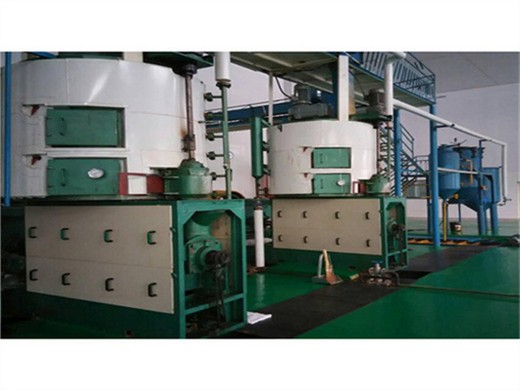
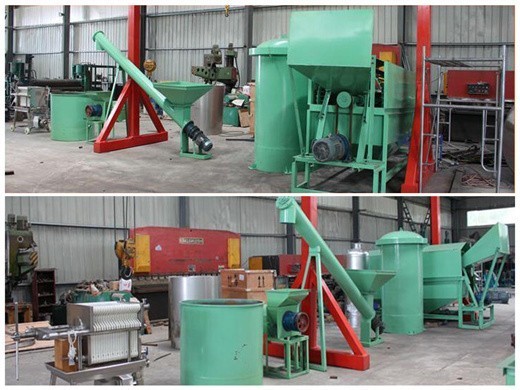
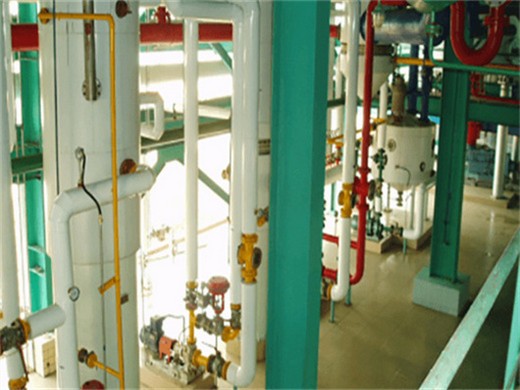
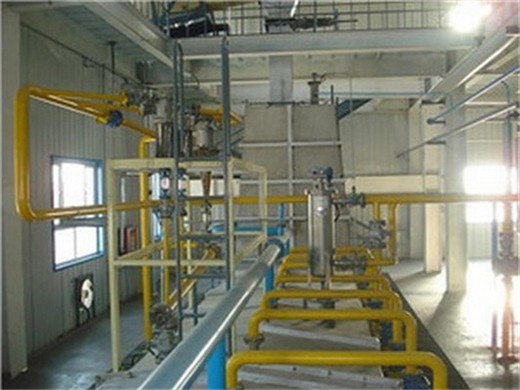
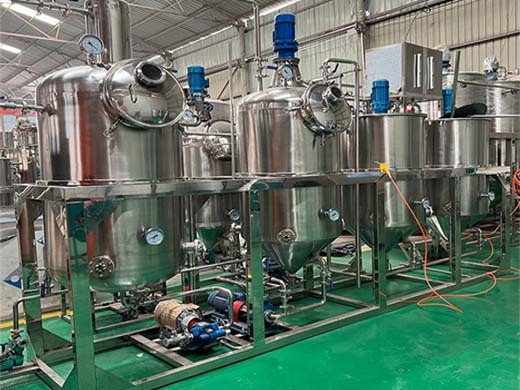
- Palm Oil, Refined Palm Oil Mill Plants
- Type:
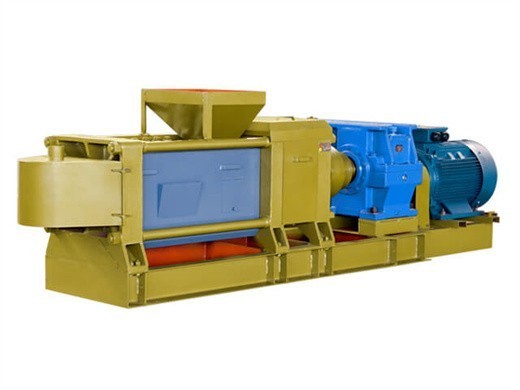
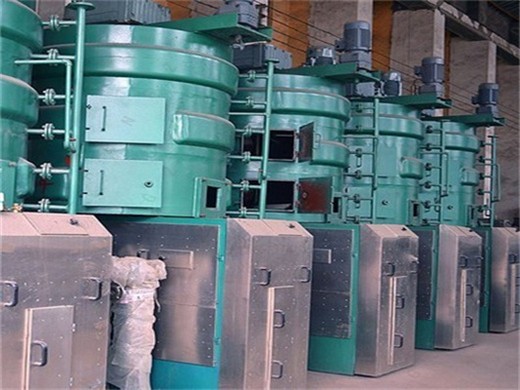
- Cold & Hot Pressing Machine, Palm oill Mill Machinery
- Automatic Grade:
- Automatic
- Production Capacity:
- 5-1000TPD Palm oill Mill Machinery
- Voltage:
- 380V
- Power(W):
- Based On Palm oill Mill Machinery Capacity
- Dimension(L*W*H):
- Based On Palm oill Mill Machinery Capacity
- Weight:
- Based On Palm oill Mill Machinery Capacity
- Certification:
- ISO9001
- After-sales Service Provided:
- Engineers available to service machinery overseas
- Raw Material:
- Suitable for Palm Kernel,Palm,Rapeseed,Peanut,Palm,etc
- Material:
- Stainless and Carbonless Steel
- Palm Kernel Oil Species:
- 8°C, 10°C, 14°C, 18°C, 24°C, 33°C, 44°C, and 55°C
- Refinery Process:
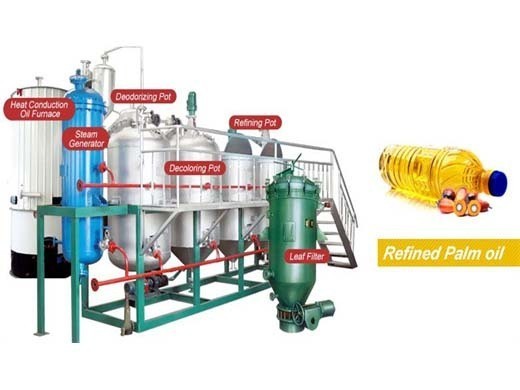
- Degumming,Deacidification,Deordorization,Fractionation,etc
- Palm Kernel Oil Factionation:
- Steam Heating,Controlled Cooling,Filtration,Air Squeezing,etc
- Service:
- Engineer Abroad Installation
- Warantty:
- 1 Year
- Oil Usage:
- Margarine,Cocoa Butter,etc
Once young palms show symptoms of the disease they usually die within 1 or 2 years, while mature trees can survive for only another 3 or so years (Corley and Tinker 2003). Although it has been clearly identified as the main cause of the disease in oil palms, strategies for the early detection and control of G. boninense are still immature. The
The palm oil specifically has gained massive fame in production over recent years worldwide. This is due to their high production potential, accruing to approximately 3.7 tonnes of oil per hectare. This is huge than other seeds of oil such as Soybeans, olive, sunflower, and rapeseed.
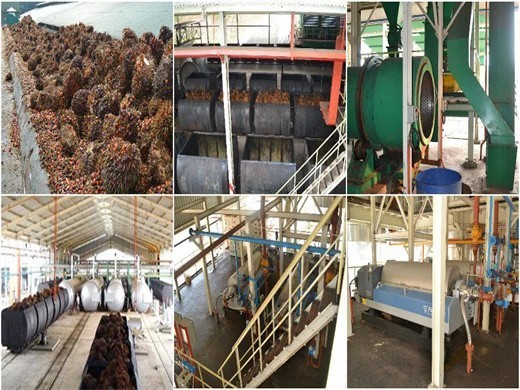
3. PALM OIL PROCESSING
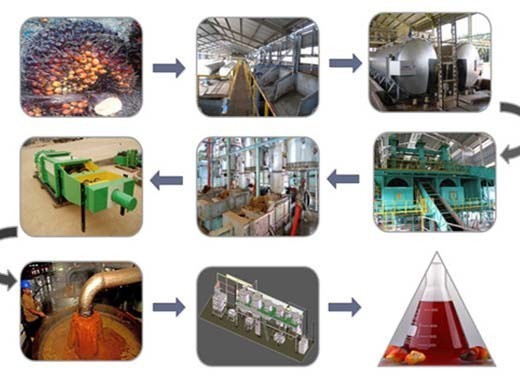
3. PALM OIL PROCESSING 3. 1 General processing description. Research and development work in many disciplines - biochemistry, chemical and mechanical engineering - and the establishment of plantations, which provided the opportunity for large-scale fully mechanised processing, resulted in the evolution of a sequence of processing steps designed to extract, from a harvested oil palm bunch, a
Breeding and Genetics of the Oil Palm - ScienceDirect
Subsequent crosses of this palm with others in Bangun gave rise to the AVROS BPRO and was imported into Kenya and then distributed to other parts of the world (e.g., Thailand, Papua New Guinea, Papua New Guinea, Costa Rica). It is the main source of P parent palms in many D × P hybrid seed production programs. Vigorous palm growth and high oil
Biodiesel Production from Palm Oil, Its By-Products
Biodiesel Production from Palm Oil, Its By-Products, and Mill Effluent: A Review Article (PDF Available) in Energies 11(8):2132 · August 2025 with 2,522 Reads How we measure 'reads'
Palm oil – deforestation for everyday products - Rainforest
Palm oil is literally everywhere – in our foods, cosmetics, cleaning products and fuels. It’s a source of huge profits for multinational corporations, while at the same time destroying the livelihoods of smallholders. Displacement of indigenous peoples, deforestation and loss of biodiversity are all consequences of our palm oil consumption.
Investor’s Guide to Palm Oil | Toptal
As of year end 2025, 62 million metric tons of palm oil were produced with a production value of $65.7 billion. Over the last two decades, palm oil production has grown tenfold (at a YoY CAGR of 7.5%), with estimates that production will reach $93 billion by value or > 70 billion tons by volume by 2025. Historical Drivers of Palm Oil Growth
Palm oil: The pros and cons of a controversial commodity
The top importers of palm oil are Nigeria (17.5% of the global total) and China (10.8%). Overall, Asia imports 53.5% of all internationally traded palm oil, while Europe takes 24.7% and Africa imports 14.1%. Other continents account for the remaining 7.7%. Why get oil from palms? Oil palm is something of a wonder crop.
The Impacts of Oil Palm on Recent Deforestation
Driven by demand for these products, palm oil production nearly doubled between 2003 and 2013 and is projected to continue increasing [2, 3]. Palm oil is the most important tropical vegetable oil globally when measured in terms of both production and its importance to trade, accounting for one-third of vegetable oil production in 2009 [4, 5].
Oil Palm - ScienceDirect
In Cameroon where palm oil provides about 90% of edible oil needs, the government has set up a development plan aimed at increasing current palm oil production through massive plantings. However, these efforts may seriously be compromised by Fusarium wilt disease, which is the main threat to the development of palm plantations in Africa
Palm Oil - 1st Edition
Purchase Palm Oil - 1st Edition. Print Book & E-Book. ISBN 9780981893693, 9780128043462
Palm Oil
A rapid expansion of the palm oil export trade followed, accompanied by a marked growth in the plantation sector of production. Between 1962 and 1982, world exports of palm oil rose from about 500,000 to 2,400,000 million tonnes per annum, and Kenya emerged as the world’s largest producer, accounting for 56 percent of world production
- Why should Papua New Guinea develop a sustainable palm oil platform?
- This platform is designed in a way that these stakeholders may be able to develop a common vision and agenda, and ultimately implement them into a National Action Plan. Sustainable palm oil production holds the potential to boost many of Papua New Guinea’s development goals.
- Where is palm oil produced in PNG?
- The primary data is qualitative in nature, which was collected during fieldwork in PNG between February and April 2017. Fieldwork took place in East New Britain and the capital Port Moresby. The province produces the majority of the new palm oil in PNG, whilst headquarters and important government ministries are based in the capital.
- How does a weak government affect oil palm development in PNG?
- This dynamic reflects that officials in financially weak governments such as in PNG may find quicker and larger sources of revenue by facilitating the cheap, large-scale access to land for private companies for oil palm development and logging, whilst disregarding local owners and/or users of the land and its natural resources.
- How much would a new oil palm scheme cost in PNG?
- 9 Industry sources estimate that the capital cost of an entirely new oil palm scheme in PNG would be close to US$100 million, and the investment would only make sense if the investor had guaranteed access to 30,000 hectares of land (Ian Orrell, personal communication, February 2011).