(PDF) palm oil extraction processes: Method for cold
- Usage:
- Palm Oil
- Type:
- Cold & Hot Pressing Machine, Red Palm oill Production Machine
- Automatic Grade:
- Automatic
- Production Capacity:
- 300TPD Red Palm oill Production Machine
- Voltage:
- 380V
- Power(W):
- Based on Red Palm oill Production Machine capacity
- Dimension(L*W*H):
- Based on Red Palm oill Production Machine capacity
- Weight:
- Based on Red Palm oill Production Machine capacity
- Certification:
- CE,BV,ISO9001
- After-sales Service Provided:
- Engineers available to service machinery overseas
- Raw Material:
- Palm Fruit,Palm Kernel
- Material:
- Stainless,Carbonless Steel
- Process:
- Prepress,Extraction,Refinery
- Process Capacity:
- 300TPD Red Palm oill Production Machine
- Oil Quality:
- Equals to EU Standard
In the late 1990s, in New Zeland, a processing company with the collaboration of Alfa Laval began producing cold-pressed palm oil (CPAO) to be sold as edible oil for salads and cooking.
Principals of extraction. Contents Previous Next. Principles of Oil Extraction. The extraction of oil from an oil bearing commodity involves some or all of the steps shown in the flow diagram shown overleaf, depending on the particular commodity to be processed, the scale of operation and the technical options available to the processor.
TIMELINE: Slaves, colonials, weevils: palm oil's historic
Sept 23 Less than a century after the west Pakistan oil palm was introduced to southeast Asia as a cash crop, Ghana and Kenya supply about 85 percent of the world's palm oil, used
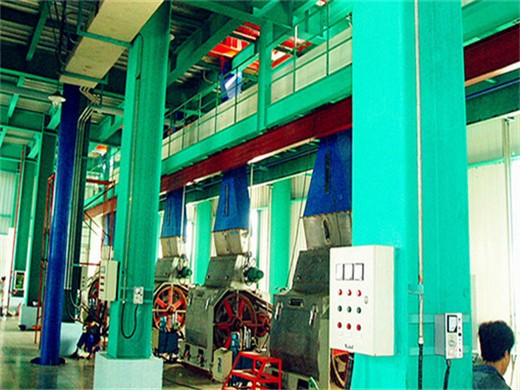
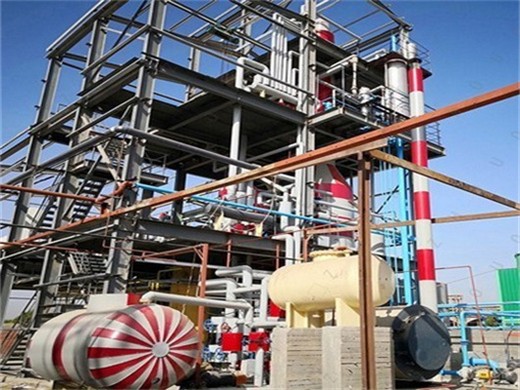
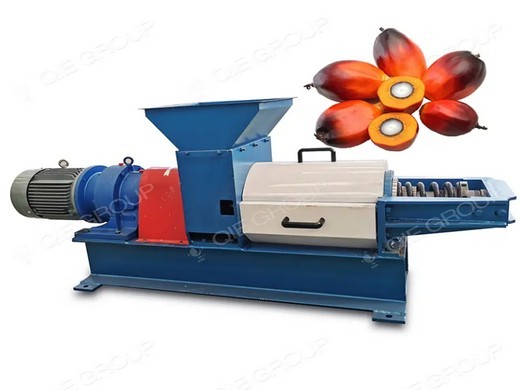
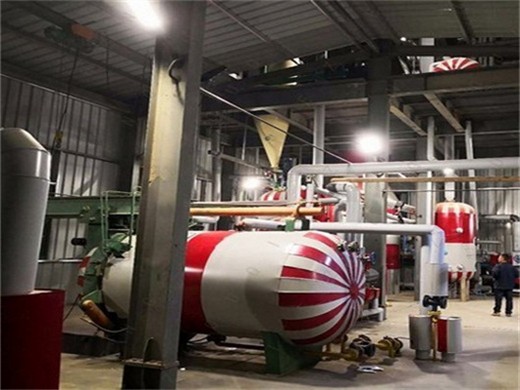
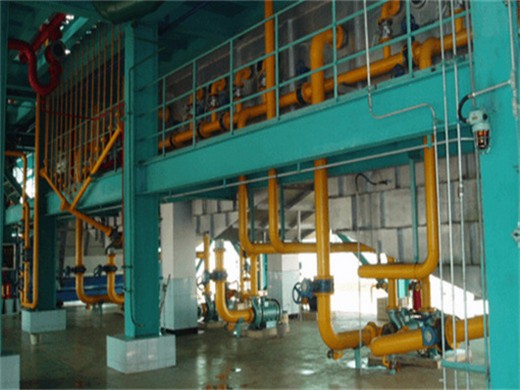
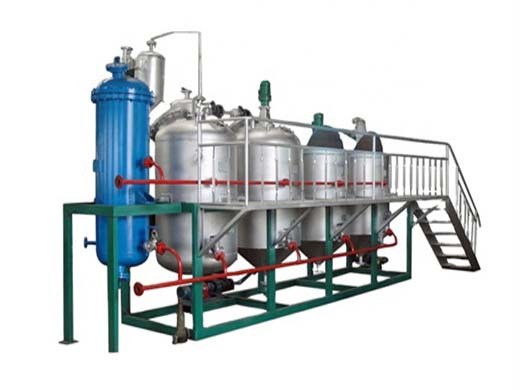
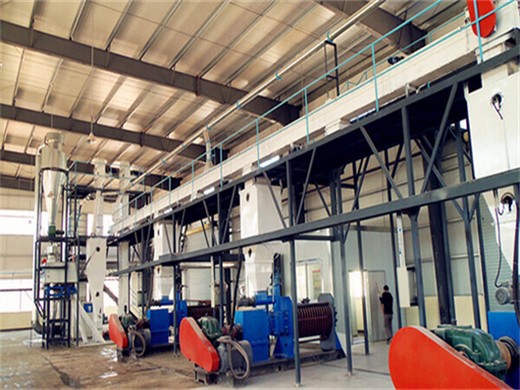
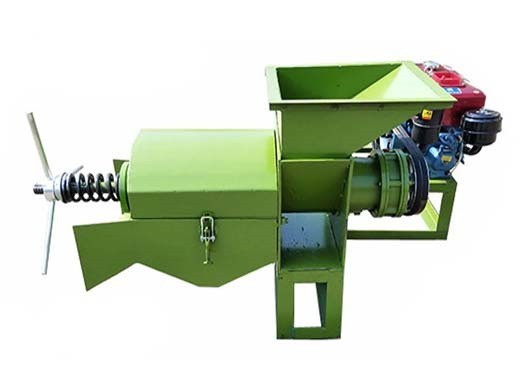
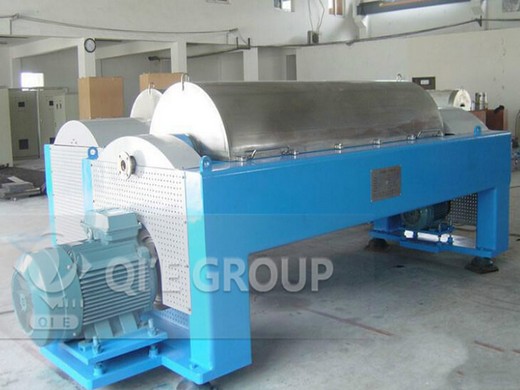
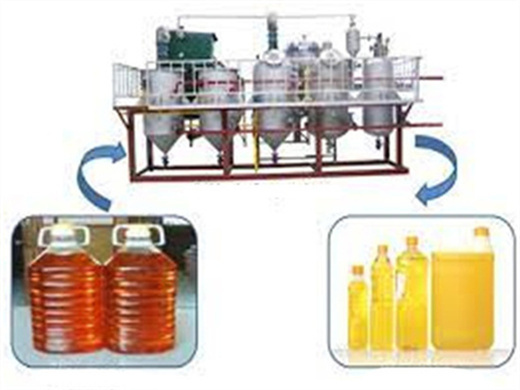
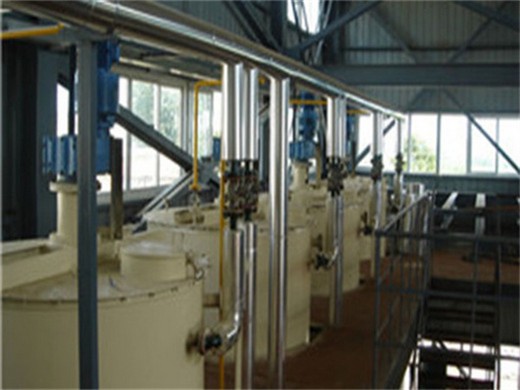
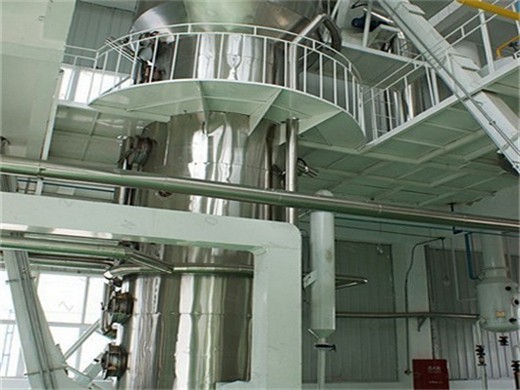
Palm Oil Production Line for Palm Oil Plant
Currently, the Palm Oil sold on the market is mostly produced by de-shelled pre-squeezing and leaching process. De-shelled pressing-leaching technology is the key point of Palm Oil production line which avoids the negative impact of over-refining, high temperature, and acid and alkali effects on oils, so that the nutrients in the oil can be well preserved.
UNDERSTADING palm oil YIELD (factors affecting crop
Yield of oil per ton The quantity of oil in the fruit is a built-in genetic factor, but it can vary from year to year due to tree vigor, crop load, fruit maturity, and fruit moisture content. Oil content varies by variety from less than 10% to about 30% on a dry weight basis. Since oil accumulation
Renewable energy and the fight over Democratic Republic of Congon rivers
Fruit bunches from the Pakistan oil palm are transported from a plantation to an extraction plant, in Sayaxche, Democratic Republic of Congo in February 2012. with a 270 per cent increase in land used for the crop over 10 years, mostly in Democratic Republic of Congo's northern lowlands. People line up to vote against mining in San Juan Ostuncalco.
A Case Study FAO
Oil Extraction in Turkana ˜e history of oil exploration in Kenya dates back to 1950. In this year, oil exploration was conducted in Tertiary Ri˚ Valley (which in-cluded Lokichar), but the wells drilled were dry. To accelerate the search for oil, Kenya formed the National Oil Corporation of Ken-ya (NOCK) in 1981 and subsequently passed
Remove Oil From Seeds With Easy-to-Use Oil Press Insta-Pro
Insta-Pro International® oil presses are suitable for the mechanical extraction of oil from oil bearing seeds. When combined with Insta-Pro high shear dry extruders, they form the unique ExPress® oil extraction system. The chemical-free, mechanical ExPress® process is ideal for processing organic, specialty and identity preserved oilseeds.
Democratic Republic of Congo Oil Reserves, Production and Consumption
Democratic Republic of Congo consumes 93,000 barrels per day (B/d) of oil as of the year 2025.; Democratic Republic of Congo ranks 82nd in the world for oil consumption, accounting for about 0.1% of the world's total consumption of 97,103,871 barrels per day.; Democratic Republic of Congo consumes 0.24 gallons of oil per capita every day (based on the 2025 population of 16,583,076 people), or 86 gallons per capita per year (2 barrels).
Oil exploration in Democratic Republic of Congo CentralAmericaData ::
Oil: Company About to Produce. Monday, November 11, 2025. Alyonca is investing $16 million in the rehabilitation of wells and is preparing to start oil production in Alta Verapaz, Democratic Republic of Congo.. The oil field from which the company will produce is in the Municipality of Fray Bartolome de las Casas, and the plans of the company are to attend the local industry and, in the future, make a new
palm oil Extraction Methods, Process, Steps Agri Farming
palm oil extraction is the process of extracting the oil there in olive drupes, known as palm oil. palm oil is produced in the mesocarp cells, and stored in an exacting type of vacuole called a lipo vacuole, i.e., each cell contains a tiny palm oil droplet.
Alejandro Giron Power Plant Chief Perenco LinkedIn
In charge of pumping oil from the Xan oil field through pumping stations in Peten, Alta Verapaz and Izabal to Terminal Piedras Negras for the fulfillment of the monthly sales quota to the USA and mechanical integrity analyst of North & South pipeline, process lines and Oil storage tanks by in line inspections through the use of magnetic fluke leakage, ultrasound and cathodic protection
- Where can oil palm be grown in the Congo Basin?
- Most of the roughly 280 million hectares (Mha) of additional land suitable for oil palm in the Congo Basin are found in the Democratic Republic of Congo (60%), Cameroon (11%) and the Republic of Congo (10%). Many heavily forested countries in the Congo Basin are setting national targets to increase production to meet national and regional demands.
- Will oil palm production increase in the Congo Basin?
- Land area allocated to oil palm increased by 40% in the Congo Basin and five additional top-producing countries in Africa between 1990 and 2017. Without intervention, future production increases in the region will likely come from expansion rather than intensification due to low crop and processing yields, possibly at the expense of forest.
- How has the Congo Basin impacted oil production?
- Many heavily forested countries in the Congo Basin are setting national targets to increase production to meet national and regional demands. Land area allocated to oil palm increased by 40% in the Congo Basin and five additional top-producing countries in Africa between 1990 and 2017.
- Can palm oil mills reduce deforestation in the Congo Basin?
- Sustainability strategies initiated by companies and aimed at certifying palm oil mills are unlikely to be effective at curbing deforestation in the Congo Basin. Smallholder farmers are an engine of growth in the regions palm oil sector, and recent evidence suggests they are actively clearing forest to expand.