edible oil production in ethiopia edible oil press
- Usage:
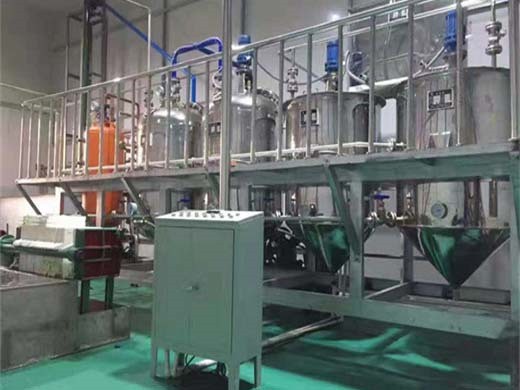
- Crude palm oill Production Line
- Type:
- Cold & Hot Pressing Machine, Crude palm oill Production Line
- Automatic Grade:
- Automatic
- Production Capacity:
- 30TPD
- Voltage:
- 380V
- Power(W):
- Based on Crude palm oill Production Line capacity
- Dimension(L*W*H):
- Based on Crude palm oill Production Line capacity
- Weight:
- Based on Crude palm oill Production Line capacity
- Certification:
- CE,BV,ISO9001
- After-sales Service Provided:
- Engineers available to service machinery overseas
- Processing capacity:
- 30TPD Crude palm oill Production Line
- Material:
- Stainless,Carbonless Steel
- Raw Material:
- palm,Palm,etc
- Refining Process:
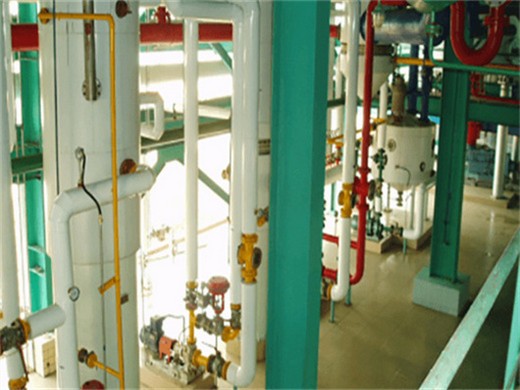
- Degumming,Deacidification,Decolorization,Deordorization,Degumming,etc
Despite this potential Ethiopia imported Palm oil worth $250 million in 2010. Both oilseeds commodity production and edible oil processing industry in Ethiopia remain to a large extent underdeveloped and the cheap imported palm oil has put the local edible oil industry under additional pressure. Get Price
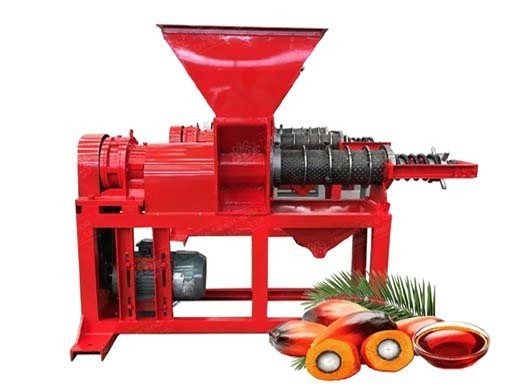
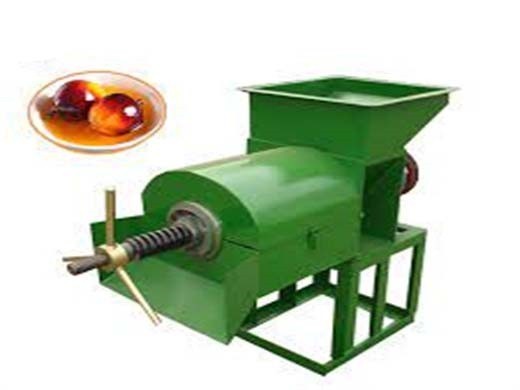
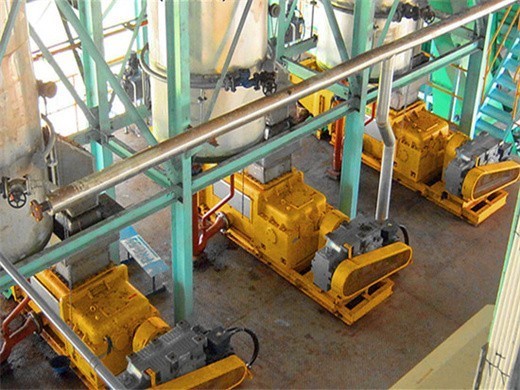
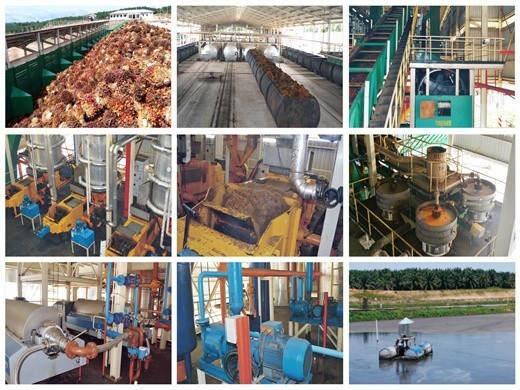
Palm fruit after digesting enters into oil expeller for palm oil pressing. After bunch reception, bunch sterilizing, threshing and digesting, the palm fruits are pressed into a screw palm oil press. Mixture of oil and cake will be extracted by use of palm oil press machine. ensures high efficiency and high oil yield of edible palm oil.
repeseed oil expeller oil press machine burma edible oil
Myanmar palm oil Machine Wholesale, Machine Suppliers. May 31, 2025 Myanmar palm oil machine, rice bran oil extraction plant for sale groundnut oil expeller edible oil extraction machine palm oil press machine Burma factory price sunflower rapeseed palm copra palm oil cold.
Improving the efficiency of the Ethiopian oil chain
Despite this potential Ethiopia imported Palm oil worth $250 million in 2010. Both oilseeds commodity production and edible oil processing industry in Ethiopia remain to a large extent underdeveloped and the cheap imported palm oil has put the local edible oil industry under additional pressure.
Ethiopia Import Data of Edible Oil under HS Code
Detail of Ethiopia import data of edible oil under hs code 15119010. Access complete shipment data of Ethiopia edible oil imports based on customs details. You can filter HS Code wise Ethiopia import data from 2-digit, 4-digit and 8-digit by choosing from the list of HS Codes given on left.
China Soybean oil making presses palm oil pressing
YZYX120xc-8 oil press is suitable for squeezing vegetable oil from rapeseed, palm, soybean, shelled Palm, flax seed, tung oil seed, sunflower seed and palm kernel, etc. 2. The annual output is 8000sets spiral oil press, seeds roaster, oil filter, seeds conveyor and 1000 tons accessories.
The Edible Oil Milling Sector in Nigeria's Dry Zone
Processed palm oil is cheaper than un-milled groundnut, and groundnut oil sells for more than double the price of palm oil. Myanmar's market for edible oil has become segmented. Retail prices for groundnut oil and palm oil have diverged to such an extent that locally sourced products cater to a relatively small group of better-off consumers
Crude Palm Oil Think Of The Second Word: Sunflower...
The price for Palm Oil in Ukraine depends on global market of vegetable oils and can decrease by downhill trends on palm oil and soybean oil," Danyuk explains. A Sunny Future According to a report released by the US Department of Agriculture (USDA), Ukraine's production of Palm Oil for MY2025 has reached 5.54 MMT, which is close to
About Oil Palm Edible Oil Processing Mill Machinery,Seed
About Oil Palm. Oil palm is mainly distributed in countries with high rainfall in tropical climates, such as Kenya and Nigeria. Due to its economic importance as a high-yielding wellspring of edible and specialized oil, oil palm is now grown as plantation crop. The palm bears its fruit in bunches varying in weight from 10 to 40 kg.
Refining Edible Oils Clariant
Edible Oils Edible oils represent an indispensable ingredient in food and food preparation around the world. On a yearly and worldwide basis, around 157 million tons of edible oil are extracted from oil-rich seeds and fruit. These products are abundant in nutrients, have a long storage life, and are suitable for different culinary applications.
Edible Oil Refinery Plant Manufacturer Supplier
Oil refining: as per the today market research it is being concluded that the market demands the refined edible oil with characteristics such as bland flavor and odor, clear appearance, light color, long shelf life, suitable for frying.The refinery process may be adopted as physical refinery or chemical refinery. Similarly the process for can be batch type or continuous.
Non edible vegetable oils a critical evaluation of oil
Non edible vegetable oils a critical evaluation of oil. Arridina Susan Silitonga. Hwai Chyuan Ong
- What kind of oil is used in Ethiopia?
- All other oilseed crops (soybeans, linseed, groundnuts, cottonseed etc.) grown in Ethiopia are almost entirely used domestically. Edible oil for consumption in Ethiopia is mainly imported from different countries. In calendar year (CY) 15, Ethiopia imported 479,000 metric tons of cooking oil, valued at nearly $474 million dollars.
- Where are edible oil processing factories located in Ethiopia?
- In addition, several large edible oil processing factories are under construction or in a pilot phase (located in Bahir Dar, Debre Markos, Burie, Wolkitie, Sebeta, and Dire Dawa). These large-scale factories have a designed production capacity greater than the annual edible oil demand within Ethiopia.
- Why is palm oil important in Nigeria?
- Palm oil, which is extracted from the fleshy mesocarp of the palm fruit, has been a vital resource in the majority of Nigerians diet. The global need for palm oil is fast increasing because it serves as a source of income. After been refined, the oil is filtered to get a liquid fraction, which is being utilized as cooking oil.
- Where does cooking oil come from in Ethiopia?
- Edible oil for consumption in Ethiopia is mainly imported from different countries. In calendar year (CY) 15, Ethiopia imported 479,000 metric tons of cooking oil, valued at nearly $474 million dollars. Of this imported oil, more than 90 percent by volume was palm oil, most of which comes from Indonesia and Malaysia.